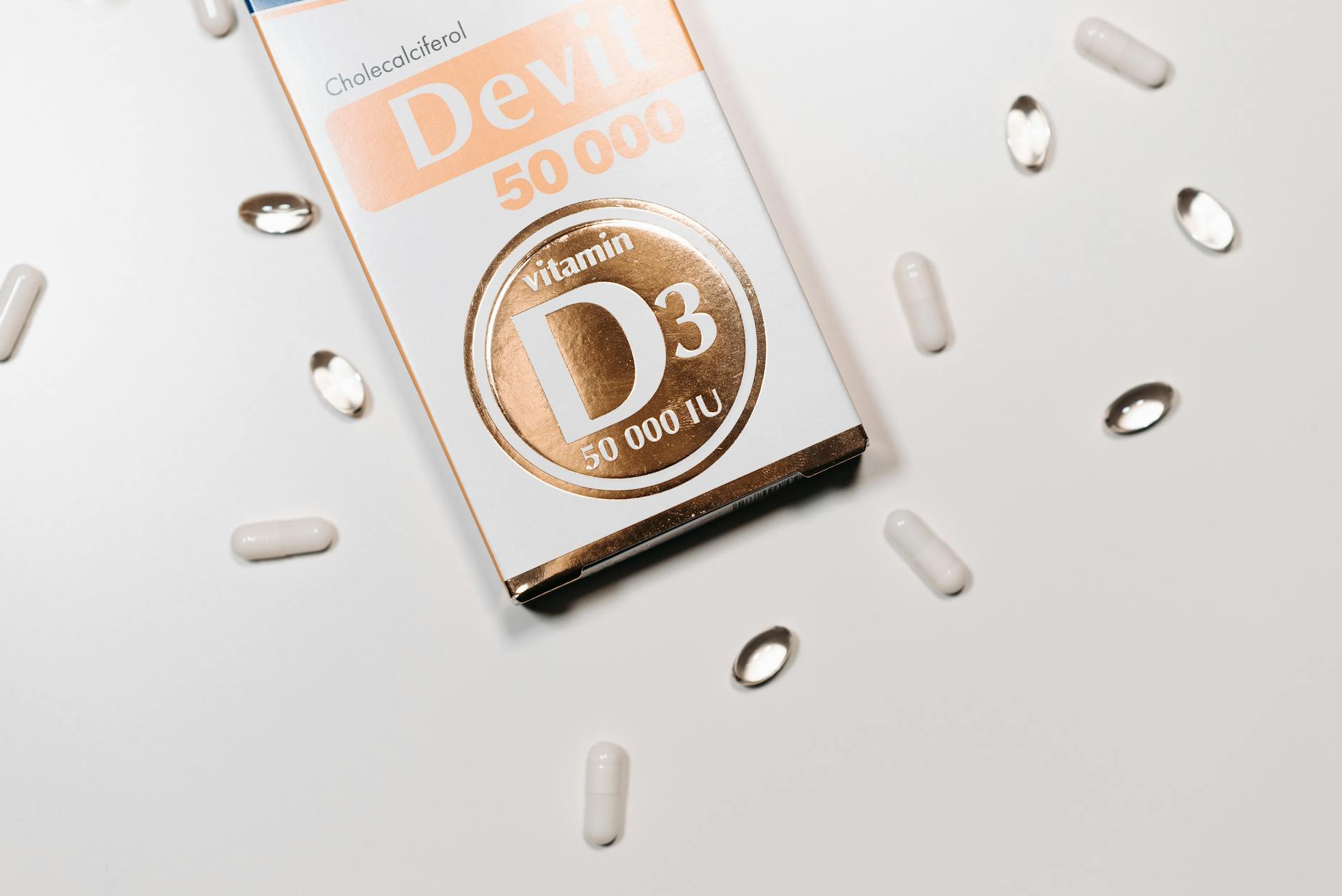
An interesting point has come up as I’m researching Vit. D pathways and methodologies and that is: in nature, animals consume D2. That’s what’s high in grasses, forbs, browse, yet we supplement with synthetic D3 in all commercial applications.
The short answer appears to be: supplementing with D3 is better at raising blood serum D levels. But I am genuinely curious about whether or not that’s an accurate measure of impact of D. Because:

From diet or skin, vitamin D enters the blood bound to vitamin D–binding protein (DBP) and is carried to adipose tissue, muscle, and liver.
Is it simply that our measuring technologies focus on serum and not tissue, which we know is harder to analyze? If the end goal is to utilize the D in tissue and organ, does the presence of it in the blood indicate less utilization in ruminants whose primary natural food source gives them D2, not D3?
The research on D2 utilization in ruminants is essentially nonexistent, likely because synthetic D3 is inexpensive and effective at raising the metric we’ve chosen to measure.
So I’m likely going to trial food based D2 sources in my ADE supplement because from what I can see, there isn’t anyone looking at what the animal does with various D supplements.
Our northern wild ruminants don’t seem to have trouble, and they browse lichens, moss, fungi and the like in northern winters. Seems like there’s a lesson to be learned from nature here.
