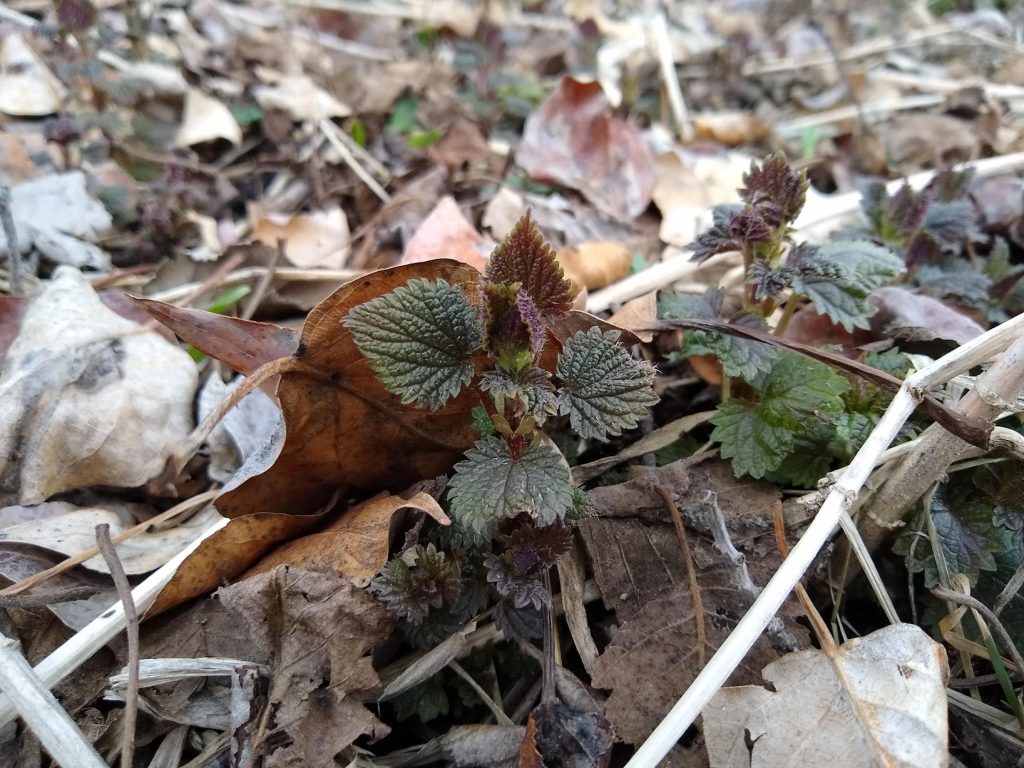
× Looking for minerals and goat supplies? Head over to our shop at GoatCare.com! Some of the best medicine for your goats is already growing on your land. I’ve found that when we look around our local area, much of what we need to thrive can be found growing as “weeds.” Spring is prime foraging season. Plants are waking up, putting energy into fresh growth, and many of them are at their most potent right now. If you’ve been wanting to incorporate more foraged herbs into your goat care, this is the time to start. Here’s what to look for. Early Spring Harvests These are the plants to focus on first. Some have narrow harvest windows, so don’t wait too long. Burdock Root If you Read More
Blog

When to Wait and Watch: The Art of Non-Intervention in Goat Care
× Looking for minerals and goat supplies? Head over to our shop at GoatCare.com! One of the most valuable skills you can develop as a goat keeper isn’t a treatment protocol or a diagnostic technique. It’s the ability to pause before you act. This goes against everything we’ve been taught. Good care means quick action, right? Catch problems early, intervene fast, stay ahead of issues. But after 18 years of raising goats, I’ve learned something counterintuitive: sometimes the best care is no intervention at all. The Intervention Cycle Here’s a pattern I see over and over: A goat keeper sees something that concerns them. They intervene. The intervention creates a new situation that requires more intervention. The goat becomes dependent on management that wouldn’t have Read More
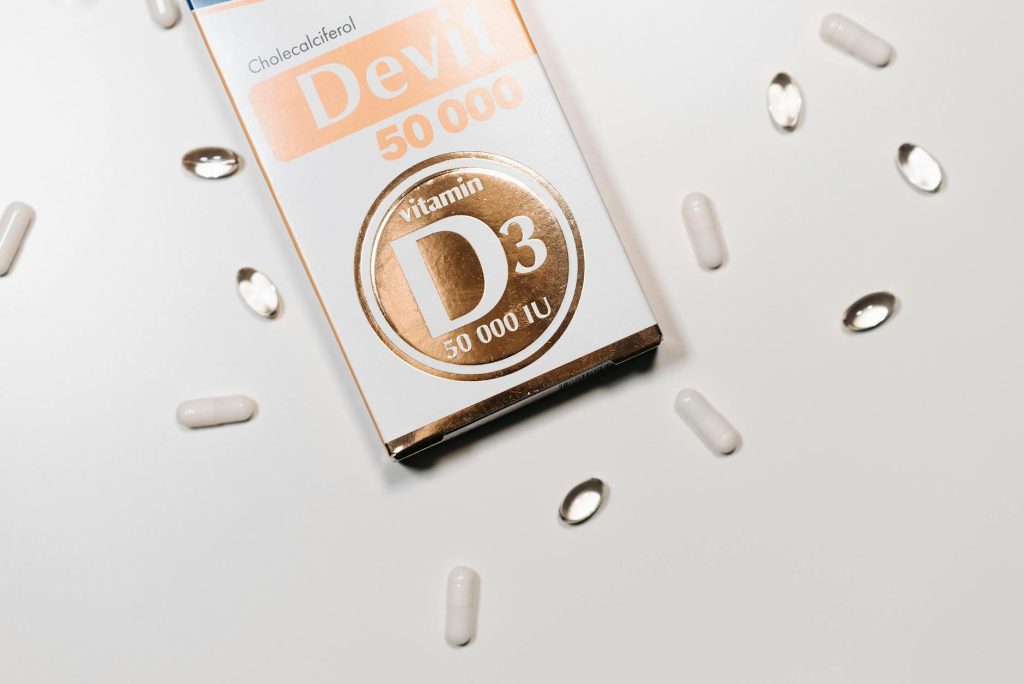
Vitamin D3 vs D2 in Goats and Other Ruminants
× Looking for minerals and goat supplies? Head over to our shop at GoatCare.com! An interesting point has come up as I’m researching Vit. D pathways and methodologies and that is: in nature, animals consume D2. That’s what’s high in grasses, forbs, browse, yet we supplement with synthetic D3 in all commercial applications. The short answer appears to be: supplementing with D3 is better at raising blood serum D levels. But I am genuinely curious about whether or not that’s an accurate measure of impact of D. Because: From diet or skin, vitamin D enters the blood bound to vitamin D–binding protein (DBP) and is carried to adipose tissue, muscle, and liver. Is it simply that our measuring technologies focus on serum and not tissue, Read More

Is Angel’s Trumpet Toxic for Goats?
× Looking for minerals and goat supplies? Head over to our shop at GoatCare.com! The Short Answer Kind of. But probably not the way you think. If you’re here because your goat just ate angel’s trumpet and you’re panicking, take a breath. I’ll give you the practical steps first, then we’ll talk about why the internet has this one mostly wrong. If your goat grabbed a leaf or two while browsing: Monitor. Watch for staggering, dilated pupils, or rapid breathing over the next few hours. You’re most likely fine. If your goat sat down and ate several good bites: Give a dose of activated charcoal, then monitor. If symptoms show up, call your vet. Okay. Now let’s talk about what’s actually going on here. What Read More
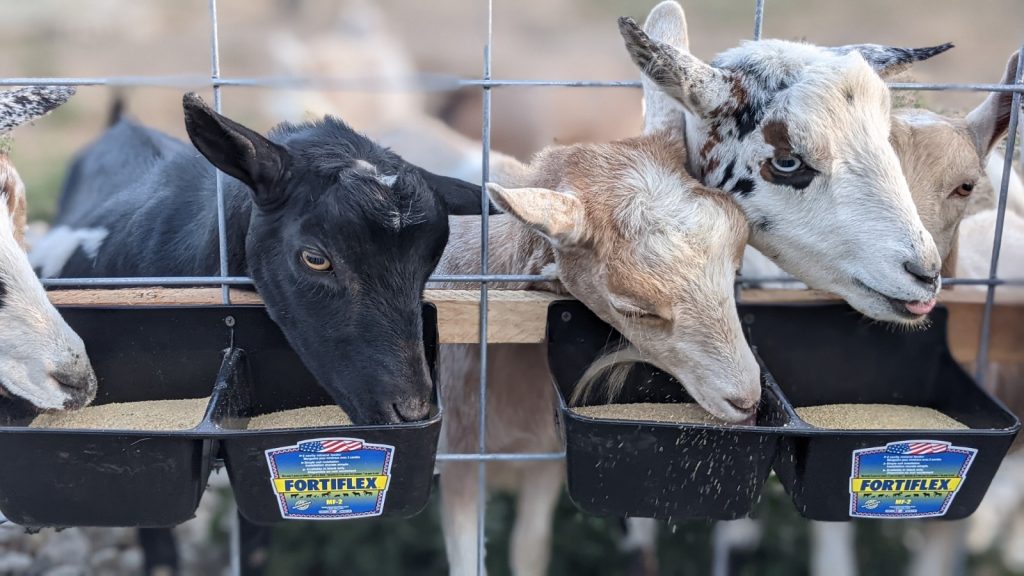
Why Do Loose Minerals Have Sweeteners?
Loose mineral blends contain sweeteners to mask bitter taste but that bitterness is information. Here’s why plain minerals let animals use their innate sensing ability.
The Simplest Way to Keep Goats Warm in Winter
× Looking for minerals and goat supplies? Head over to our shop at GoatCare.com! Every winter, I see goat keepers investing in heat lamps, insulated shelters, goat coats, and elaborate warming systems. And every winter, I want to gently point them toward the hay feeder. Because the simplest, most effective, most natural way to keep your goats warm in winter is something you’re probably already doing – you might just need to do more of it. Keep the hay feeder full. That’s it. That’s the secret. The Science of Staying Warm From the Inside Out Here’s something that doesn’t get talked about enough: the process of digesting long-stem roughage is thermogenic. It literally generates heat. When a goat eats hay, that fiber travels to the Read More