× Looking for minerals and goat supplies? Head over to our shop at GoatCare.com! I’ve gone quiet because I am gestating. In 16 days, I am embarking on a new journey into an entirely new life. After 21 years of marriage–most of my adult life–I am moving on. I share deeply in my weekly newsletters, but for here I’ll just say that the birthing pains are real. This is hard, and beautiful, and painful, and hopeful and it can be any one of those things on any given minute of every day, sometimes seemingly completely out of nowhere. With it though comes immense hope. The home I lived in when you came to know me was purchased with inheritance money, a gift given nearly 15 Read More
Blog

Can I Keep Bucks Together?
× Looking for minerals and goat supplies? Head over to our shop at GoatCare.com! If you’re coming from a background with other livestock—especially species like pigs, rabbits or horses—you might be worried about keeping intact males in the same space. In some species, it’s a recipe for disaster. But with goats? It’s different. Goat bucks are surprisingly peaceful. I often joke about their “bro club,” because they genuinely like each other. In my experience, they often form deeper bonds with their fellow bucks than they do with the does. Once breeding season ends, I’ve watched bucks call out to each other like they miss their roommates, and when I reunite them, they settle in like they never skipped a beat. What It’s Like to Keep Read More

Dewormer Resistance in Goats
× Looking for minerals and goat supplies? Head over to our shop at GoatCare.com! Numerous studies are identifying a pattern goat producers have known for some time: goat parasites are becoming increasingly resistant to virtually every conventional dewormer available on the market today. Understanding Parasite Resistance in Livestock Management Extensive research has looked at how parasites respond to the numerous deworming options currently available. See the bibliography below for a more detailed look. With statistics as high as 90% resistance in some parasites and some treatments, we are facing a crisis that needs to be addressed. The Challenge Parasite resistance has become a significant issue in livestock management. As common dewormers become less effective, goat owners need to adapt their approach to maintain healthy animals Read More
Liver Flukes in Goats
× Looking for minerals and goat supplies? Head over to our shop at GoatCare.com! Title: Natural Approaches to Liver Fluke Control in Goats: What the Research Says When our herd first moved to the lush bottomland, it looked like paradise: green, wet, abundant. But it didn’t take long for the hidden ecosystem to show itself. Within our first year on the new pasture, we lost a goat to liver flukes. I had never seen such a rapid and stealthy decline. The diagnosis felt like a punch to the gut. We were dealing with fascioliasis — a parasitic infection caused by liver flukes (primarily Fasciola hepatica) that target the liver and bile ducts of ruminants. This disease is especially insidious in wet, snail- and slug-rich environments. Read More
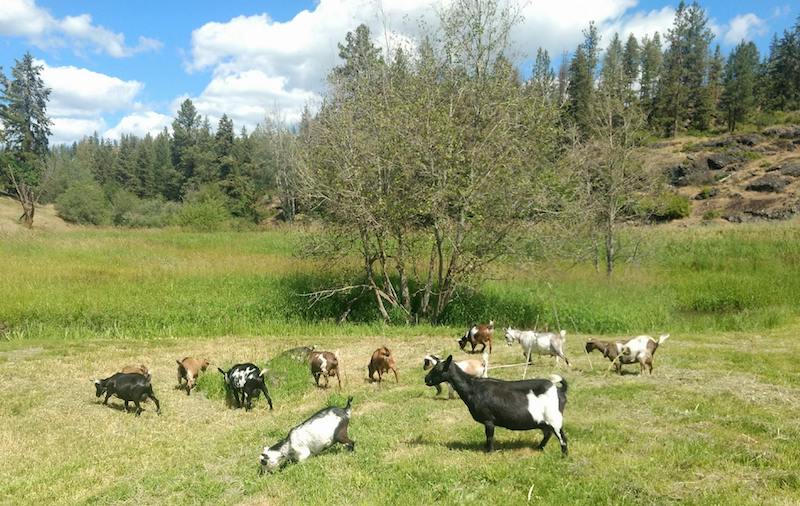
Can You Have a 100% Herbal Goat Herd?
× Looking for minerals and goat supplies? Head over to our shop at GoatCare.com! I started out in 2008 doing everything the way the “experts” told me: vaccinating, copper bolusing, deworming with conventional dewormers, coccidiosis prevention, etc. etc. But my heart cried out for something different. As a new mother, I was looking to clean up my household with better quality ingredients, organic food, and so on, so going the other direction with the goats who were going to provide our milk was counterintuitive to me. I began then to take incremental steps toward my end goal, which was a herd that needed no conventional inputs. I wanted them to be healthy and organic, yes, but I also had in mind the idea that I Read More
When to Wether Goats: Early vs. Later Castration [Opinion]
× Looking for minerals and goat supplies? Head over to our shop at GoatCare.com! I think we are doing our animals a disservice by allowing fear of urinary calculi to dictate later castration. Nutrition and genetics determine the risk of UC and while you can argue that a larger urethra will allow stones to pass through more easily (show me the data that urethra size significantly changes in intact vs. castrated males, please, but it won’t change my mind because:), we’re missing the forest for the trees. Why not see to nutrition and eliminate the main cause of urinary calculi instead of waiting to castrate when the waiting is proven to cause increased pain? If I’m forcing gravel through a pipe, shouldn’t I eliminate the Read More